| “Tres Sombreros de Copa”/ “Three Top Hats” A circus opera based in Miguel Mihura’s 1932 theater play “Tres Sombreros de Copa” Music and lyrics: Ricardo Llorca Dialogs: Miguel Mihura |
Video de promoción/promotional video |
"Extended Promotional Video" |
|
|
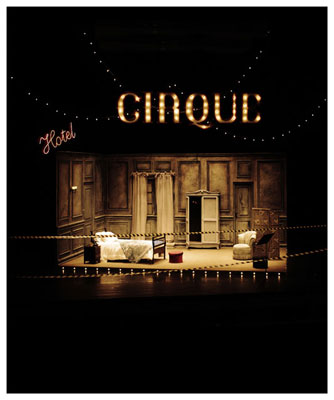
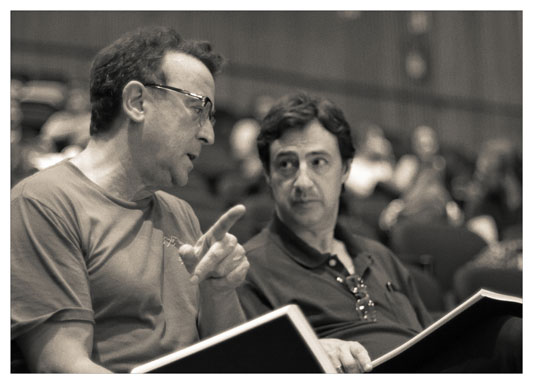
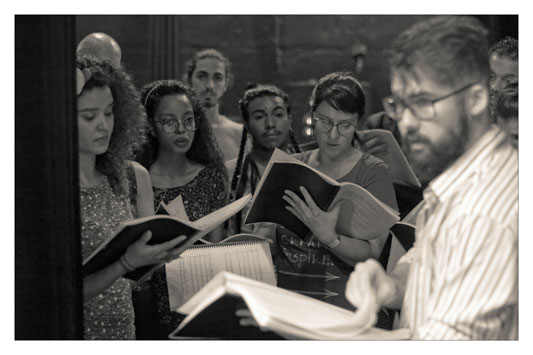
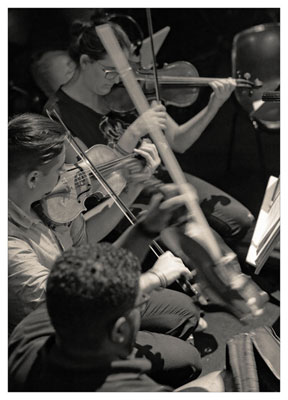
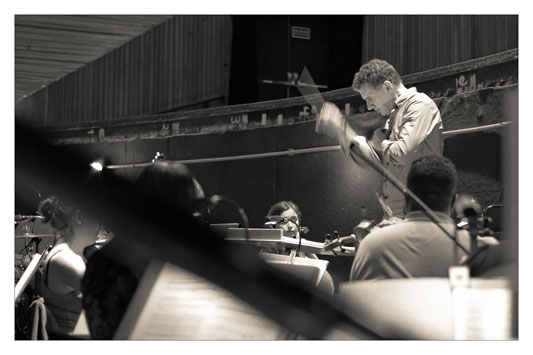
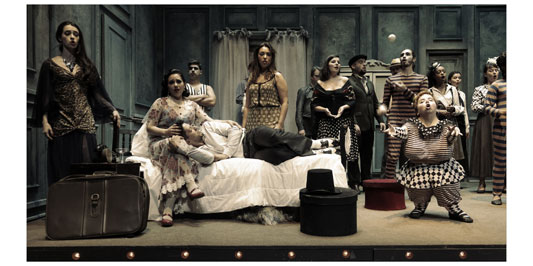
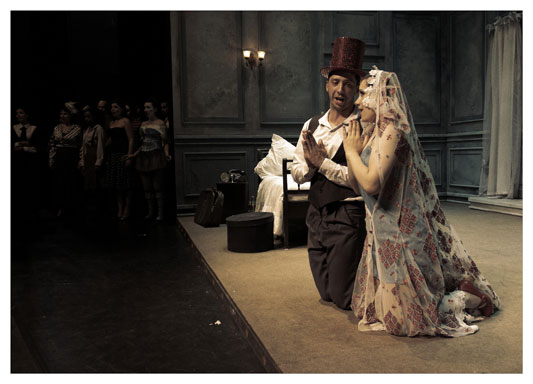
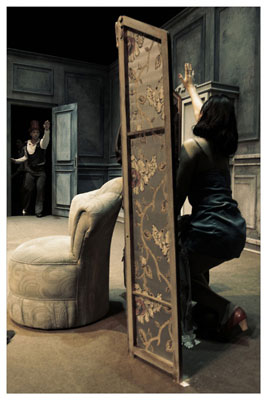
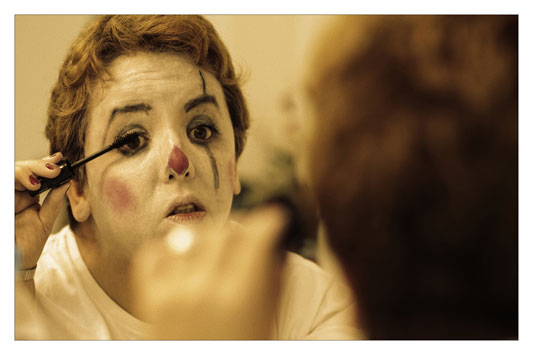
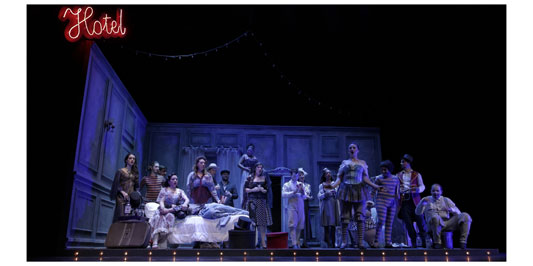
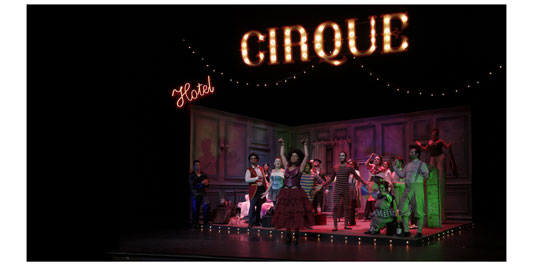
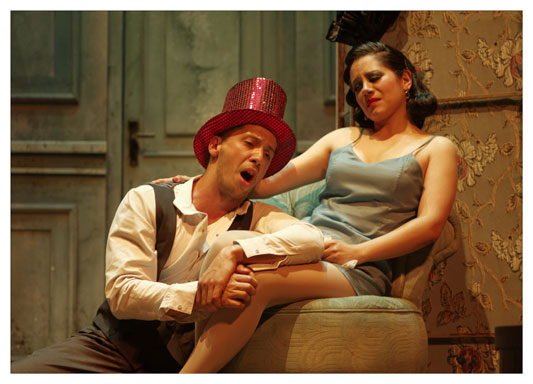
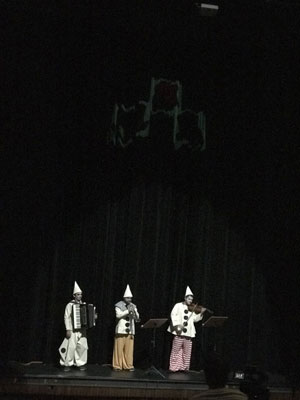
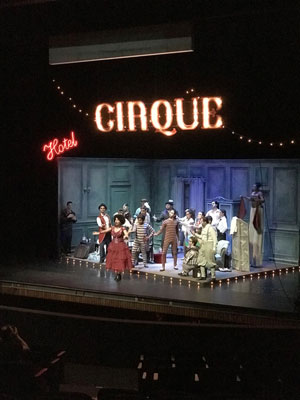
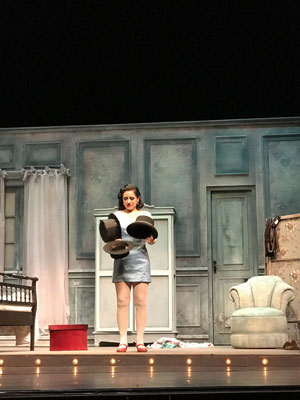
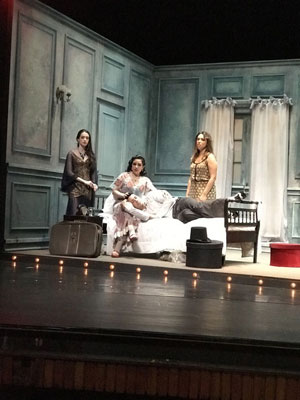
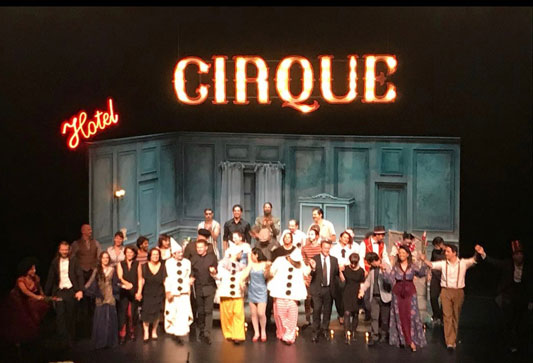
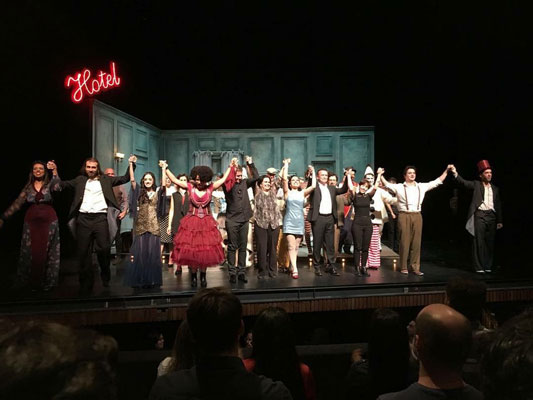
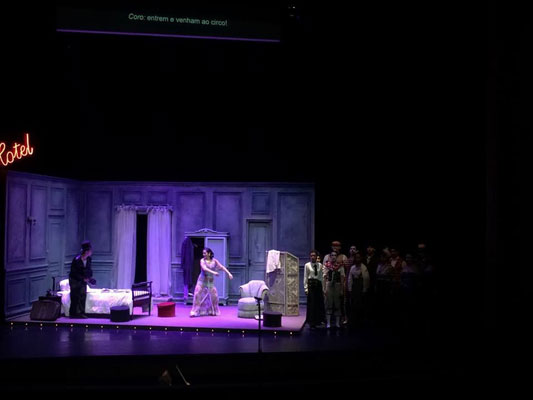
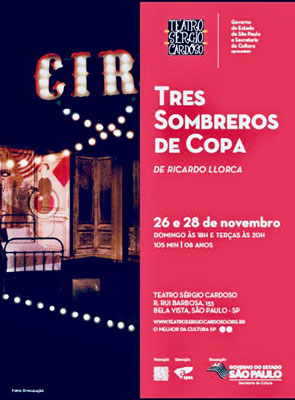
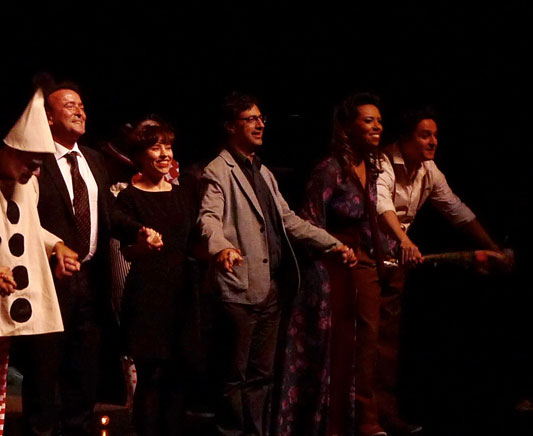
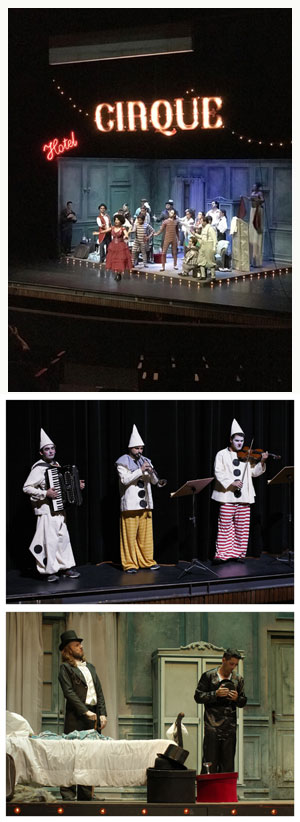
 Opera estrenada en Sao Paulo (Teatro Sergio Cardoso) el 26 de Noviembre de 2017 Opera premiered in Sao Paulo (Teatro Sergio Cardoso) on November 26th 2017 Dirección musical: Alexis Soriano Piano solista / Piano soloist: Acordeon solista / Solo Accordeon: Ricardo de Souza Pesce Coro Actores Circus ensemble (The German Strongman, Monsieur Garibaldi, Peppino, The Astute Hunter, The Old Soldier, Acrobats, Dolls, Clowns, etc) Orquesta del Teatro Sergio Cardoso |
|
CRITICAS-REVIEWS: "Tres Sombreros de Copa" by Sergio Casoy
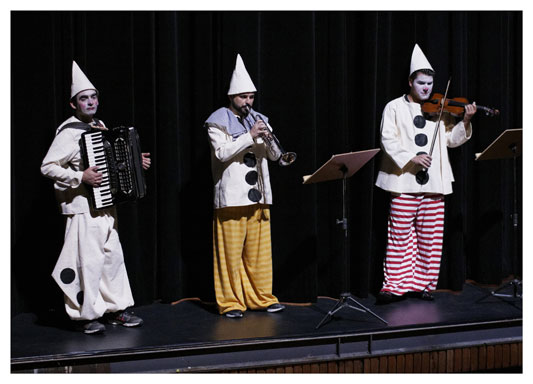
"Tradição e modernidade se deram as mãos de forma muito feliz na criação do singspiel contemporâneo Tres sombreros de copas, a nova ópera do compositor Ricardo Llorca que se baseia na peça do seu conterrâneo, o dramaturgo espanhol Miguel Mihura, um dos expoentes do teatro do absurdo. Compositor inspirado, dono de vasta cultura musical, Llorca, pesquisador determinado, concebeu para esta obra uma partitura viva e divertida, com temas musicais agradáveis e de alta qualidade musical. Embora o libreto seja muito fiel ao original, a substituição proposta por Llorca na ópera – trocar o cabaré original de Mihura por um circo italiano com seu desfile teatral/musical de tipos característicos daquele universo – permite que as várias linguagens musicais, oriundas de ambientes e épocas diferentes, conversem harmoniosamente entre si e se alternem na narrativa. Assim, os ouvintes se divertem ouvindo tanto uma tarantela com um sabor tipicamente napolitano na voz do mezzo soprano quanto com uma cena de conjunto que flui ao som de uma conga cubana, ritmo em voga à época da criação da peça de teatro original. De roupa nova, algumas das tradições do teatro lírico comparecem pontualmente à execução de Tres sombreros de copa, como o concertato de corte italiano– ponto alto da partitura, sublime – que acontece durante a canção de ninar que os circenses, cujas vozes entram uma a uma, cantam para embalar o sono do protagonista Dionísio, e para a qual Llorca buscou inspiração em uma ninna nanna do século XVII. Tres sombreros de copa é uma obra com um brilhante caminho à sua frente". Sergio Casoy
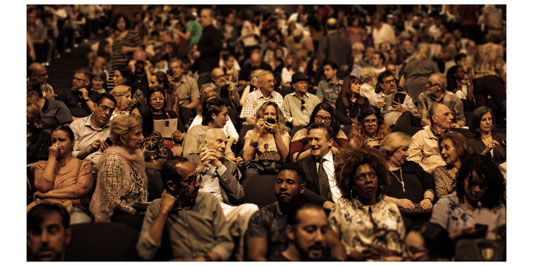
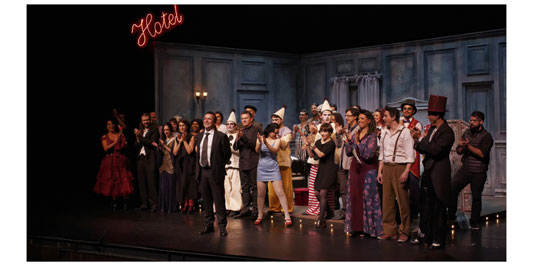
"Tres Sombreros de Copa"; an ambitious new work by Ricardo Llorca based on Miguel Mihura´s theatrical masterpiece premieres in Brazil Ten years after the successful premiere of his pathbreaking opera Las Horas Vacías (The Empty Hours) in New York City, Ricardo Llorca can fairly stake a claim to being one of Spain´s most prominent composers. Here it should be noted that his music is performed much more abroad than in his native country. Over the course of his career, Llorca has matured as a composer with a recognisable musical language, characterised by its brilliant exuberance. His style is not -as is the case with many postmodern composers today- eclectic, but instead may be described as syncretic; its seamless amalgamation of influences and gestures are drawn from varying genres to create a sound which is both richly unique and accessible. That the audience at last night’s world premiere of his opera Tres Sombreros de Copa in São Paulo showed their appreciation with an enthusiastic standing ovation is a testament to this accessibility.
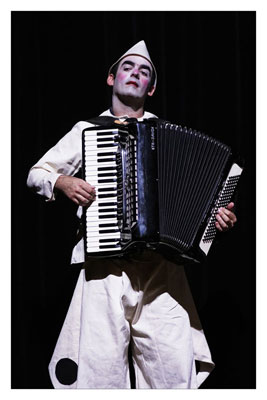
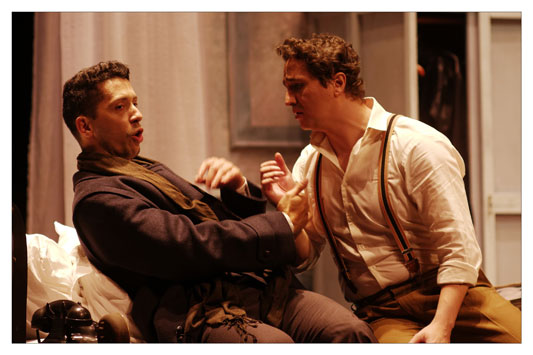
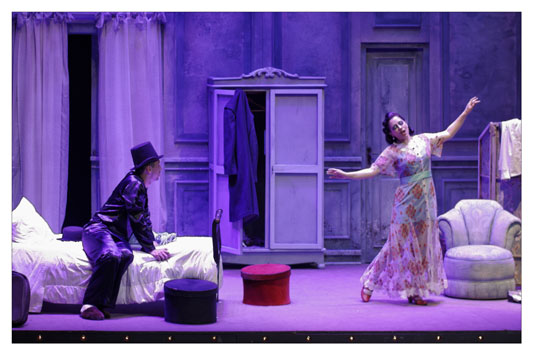
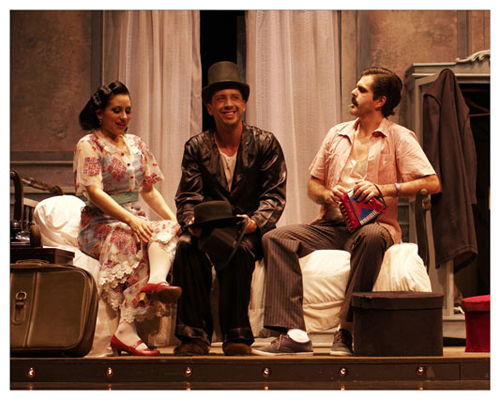
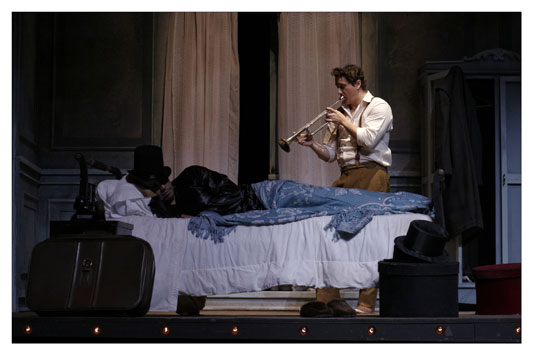
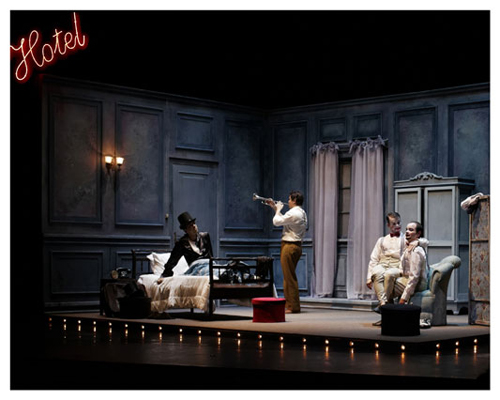
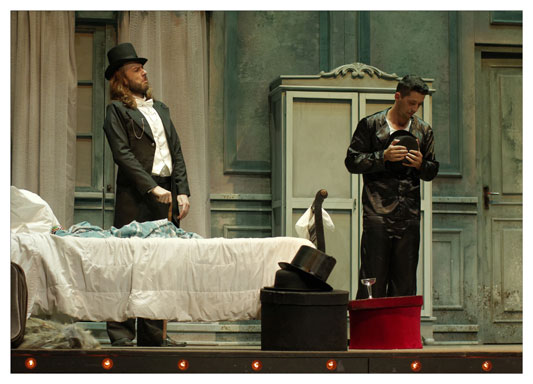
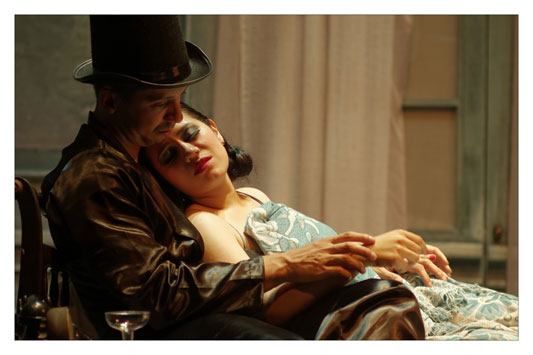
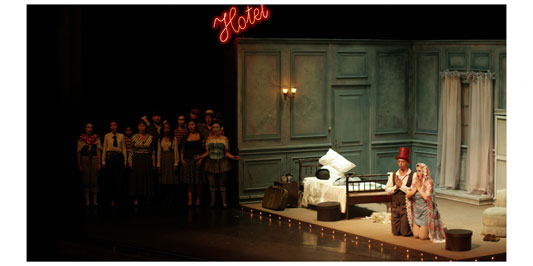
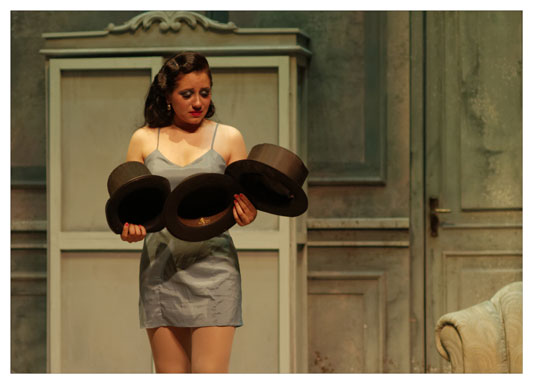
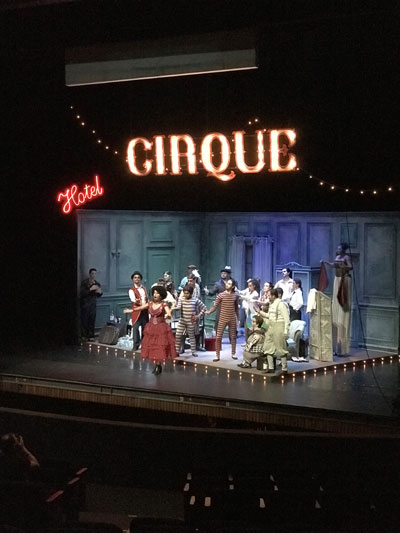
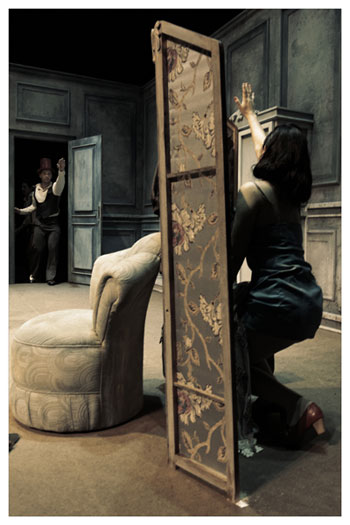
With Tres Sombreros Llorca addresses these concerns. He has turned away from the sometimes chilly modernism of the 20th century which, at its most extreme, wore its indifference to popular tastes as a badge of pride. He has instead embraced harmony, motivic rhythms, unabashed emotion and flashes of humor. We also find him exploring minimalist techniques, weaving shimmering, textured tapestries from the pulsating repetition of motifs in an earnest attempt to incorporate it into a broader musical language. For the two hour duration of the opera, his music is arranged in constantly evolving layers; synths here, piano there, chugging arpeggios, swelling strings, Bachian choruses, echoes of Italian music, a circus accordion, etc. Running through these divergent musical strata is a recognisable stylistic vein that is all Mr. Llorca’s own. The composer has taken some poetic license with the original play because, in his own words, "certain things had to be changed in the script in order to give the work a more operatic form". The original work of Miguel Mihura is about a young man, Dionisio, who after seven years of courtship and on the eve of his wedding, is staying in a second-class hotel in an unnamed provincial capital. There, during the night, he will encounter a circus company that has arrived to premiere their show, and will become especially acquainted with a dancer, Paula, who ends up changing irrevocably his perspective on life. So, what in the original work of Miguel Mihura was a cabaret company ("The Ballet of Buby Barton") in Llorca´s opera has been transformed into an Italian circus company ("The Italian Circus Tonino Sanguinetti") who are beginning a tour of Northern Spain. Llorca has also diligently added and subtracted characters from the original play, not only to give the circus company a more extravagant impression and dynamic zeal, but also to make the material more appropriate for a contemporary audience. It feels like Llorca has cast the net widely in gathering inspiration for his opera. The fact that Tres Sombreros is centered around an Italian circus, for example, led the composer to look at the music of Southern Italy. According to Llorca: "During the summer of 2015 I was in Puglia, the heel of Italy, conducting some research on the local folklore, which is very rich and alive, and practically unknown outside its local borders. There I discovered some very interesting musical forms; especially the "Tarantella", which is still danced at public parties and private celebrations in the towns of the area. I also came across the "Ninna Nanna", which is a very distinctive form of Italian Lullaby". In Tres Sombreros we are treated to elements of circus music which come into direct contact with contemporary classical music. The circus accordion never feels very far away, and these gestures are juxtaposed against solo piano interpolations, magnetically performed by Rosa Torres-Pardo. There are also trumpet solos reminiscent of Pulcinella, sanguine strings, a lot of brass, and plenty of percussion to maintain a dramatic impulse. All of this is nicely balanced under the supremely competent baton of Alexis Soriano, another of Spain’s best current exports. The singers clearly enjoyed performing what Mr Llorca had written and they both sang and acted spiritedly, without any noticeable flaws. Special mention should go to Brazilian mezzo soprano Mere Oliveira, who executed a very funny "Bearded Lady" which was a clear favourite of the audience. Equally, baritone Gustavo Lassen, displayed his deep and powerful command when performing the "Aria of Don Sacramento", perhaps the most difficult part of the opera. Overall, the music is haunting and one becomes enveloped in its embrace. We laugh at the comic gestures although the pervading aura is always a melancholic one. By the time the curtain comes down we have been reminded that, independently of the vicissitudes of life, there is, yes, beauty. |
|
03/11/2017 22/11/2017 22 de noviembre de 2017 25/11/2017 November 28, 2017 Ópera | 26 e 28 de novembro
|
                                                       |

 |
                                                      |
| Videos en Youtube
Llorca presenta en Brasil el "absurdo español" de Mihura convertido en opera Tres Sombreros de Copa - Teaser Tres Sombreros de Copa - Teaser 02 Estreia Mundial da ópera Tres Sombreros de Copa |
 Autor dos livros Óperas e Outros Cantares (Editora Perspectiva, 2006); Ópera em São Paulo 1952-2006 (EDUSP 2006); A Invenção da Ópera – A história de um engano florentino (Editora Algol, 2007); entre outras obras.
 But for all that, Mr. Llorca, who for the last thirty years has called New York City home, worries about what Classical Music should define itself going forward, how to get it to speak to audiences who now flock to other art forms, and his own role in this conundrum.
 19/09/2017
